Blog
Hybrid Screen Protectors Explained: Why Tempered Glass vs. Plastic Is No Longer Enough
April 24, 20262026-04-24
WEKIM Hybrid Screen Protectors
Cracked edges. Peeling corners. Reduced touch sensitivity. If you’ve ever replaced a screen protector more than once in a few months, you already know the issue: traditional tempered glass and plastic films can’t keep up with the demands of modern smartphones.
As devices evolve—with curved-edge displays, ultra-thin bezels, and 120Hz refresh rates—the limitations of conventional screen protector materials become increasingly clear. Tempered glass offers strength but shatters under pressure. Plastic films offer flexibility but fall short in clarity and durability.
So the real question isn’t “tempered glass or plastic?” It’s: What actually protects today’s smartphones without compromise? The answer lies in hybrid screen protector technology—a new generation of composite materials designed to combine impact resistance, flexibility, clarity, and full-edge coverage in a single solution.
Understanding Hybrid Glass Technology
Composition of Hybrid Glass
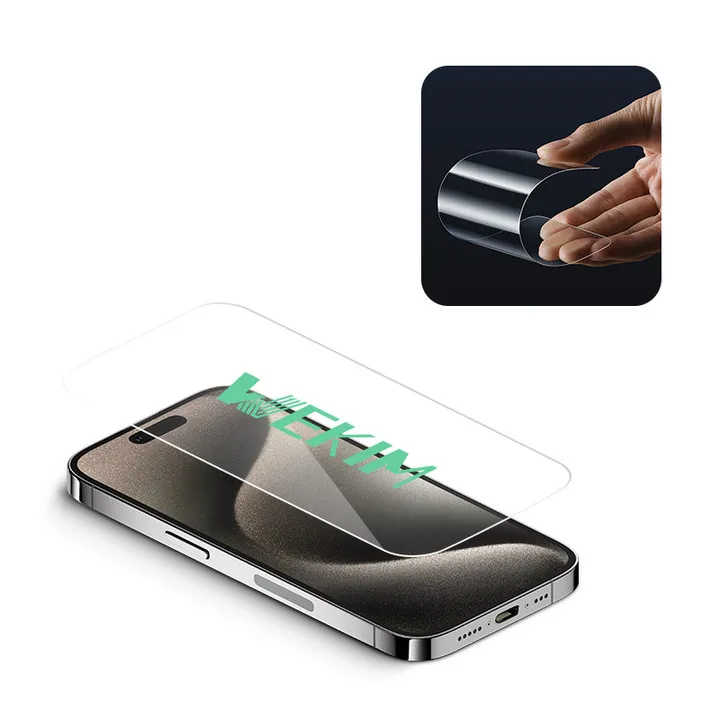
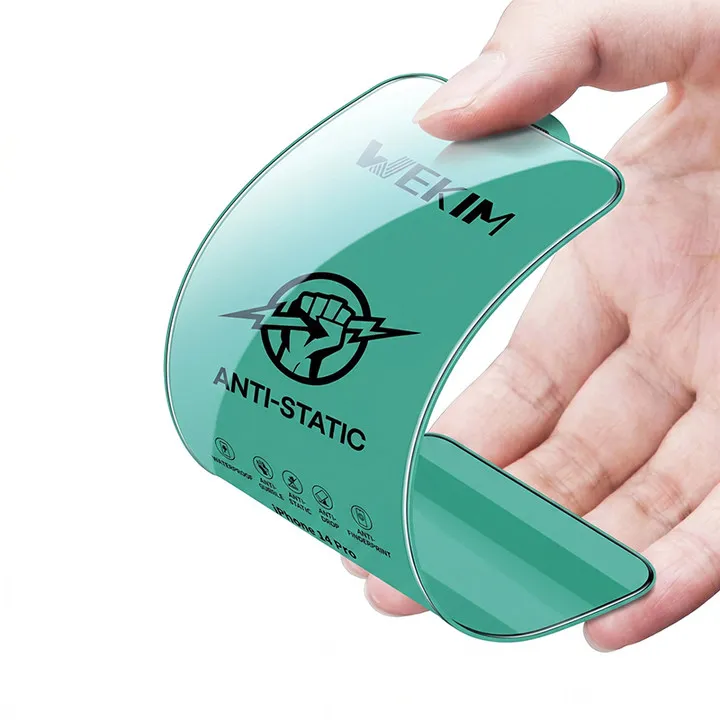
Hybrid glass methods use a blended construction, combining tough PET or PMMA with ultra-thin sheets of processed glass. This fusion results in a glass that mimics the rigidity of tempered glass while maintaining the flexibility of TPU films. In factory trials, this mix has been shown to bend up to 20 degrees without cracking, offering a significant advantage over rigid screen protectors.
The high aluminum silicate glass has a 0.25mm thickness, 9H hardness, HD clarity with black edges, a smooth, anti-smudge coating, and excellent impact & scratch protection. The added flexibility of TPU provides a perfect fit for curved phones, such as those in flagship Android lines where the display wraps around the edges.
“9H hardness” means resistance to scratches from everyday items like keys or change. TPU’s flexibility adds durability for wear and tear. Field reports from users in construction environments highlight how these protectors withstand rough handling, lasting twice as long as basic plastic films in dusty conditions.
Benefits of Hybrid Glass
Hybrid screen protectors offer distinct advantages over traditional models. These benefits become apparent in a variety of daily environments, from office desks to outdoor activities.
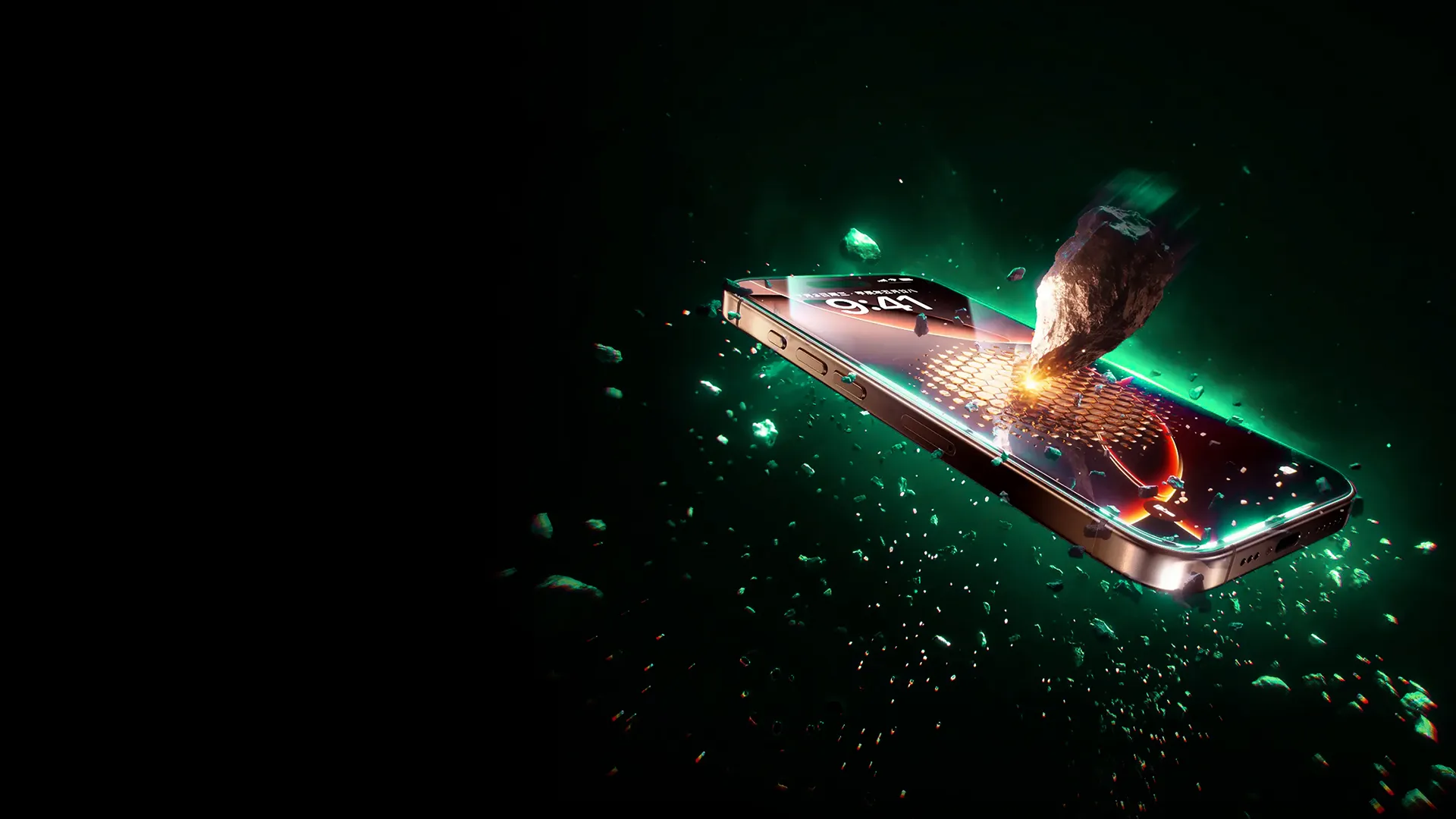
- Enhanced Impact Resistance: The combination of a PET base sheet and optical glue spreads impact forces more efficiently than standard tempered glass. Flexible glass, such as a hardened PET composite, paired with high-viscosity optical glue, provides superior protection against falls and pressure. For example, when a phone slips from a 1-meter table edge, hybrid protectors often bounce back without damage, while glass protectors might chip.
- Improved Touch Sensitivity: With a slim profile of around 0.25mm, these protectors work seamlessly with oleophobic coatings, ensuring a near-stock screen response. Gamers, in particular, appreciate the natural feel when pinching and sliding, with no lag in fast-paced applications on devices like the Google Pixel series.
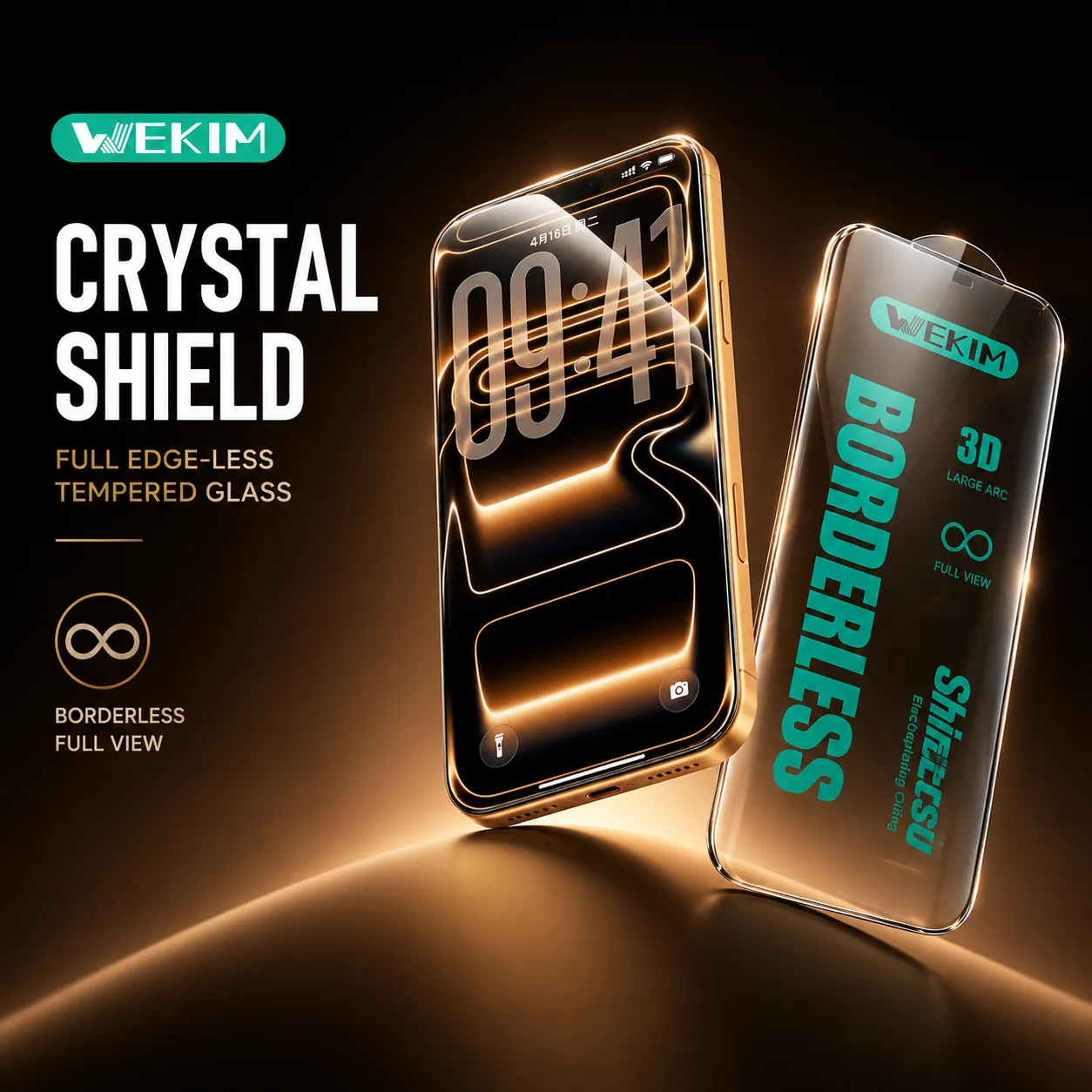
- Better Edge Coverage: Flexible borders allow for complete wraparound coverage, making these protectors ideal for phones with 2.5D curves like mid-range iPhones. This eliminates the peeling issues common with stiff protectors and ensures protection without gaps that could let in dust.
- Unbreakable Design: Products like WEKIM’s “UNBREAKABLE FLEXIBLE GLASS” offer increased durability for high-impact scenarios. This design is particularly beneficial in sports environments where devices face heavy vibrations or drops from up to 1.5 meters.
WEKIM’s Role in Material Innovation
Customizing for Different Markets
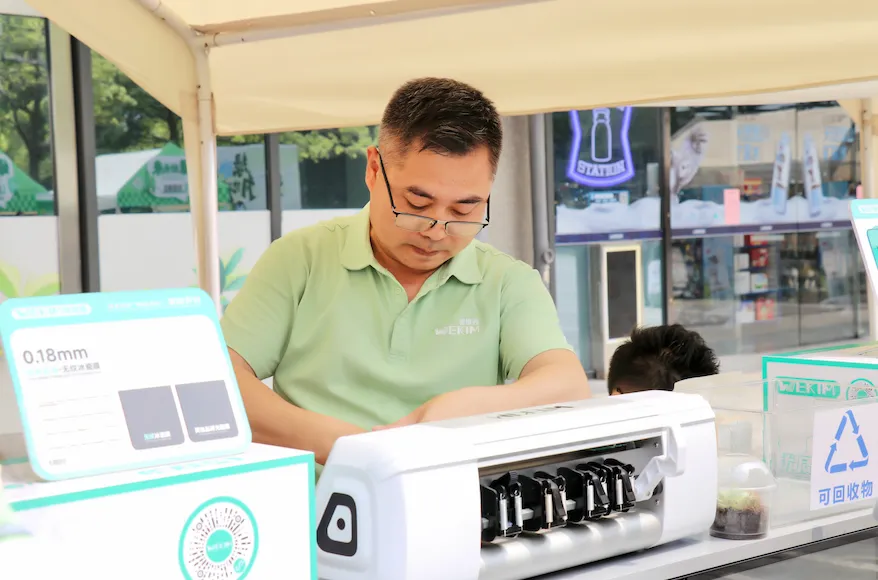
As a leading OEM and ODM manufacturer, WEKIM caters to a global market by providing customized screen protector solutions tailored to different regions and preferences. We specialize in developing high-quality hybrid glass screen protectors for a range of devices including iPhones, Samsung, Google Pixel, Xiaomi, OPPO, vivo, Huawei, Apple Watches, iPads, and MacBooks.
In Europe and North America, customers prefer smooth finger glide and precise packaging. To meet this demand, WEKIM delivers high-clarity protectors with oleophobic coatings. In Southeast Asia or Latin America, where affordability is key, we adjust the thickness and packaging of the protectors to offer a cost-effective solution without compromising quality.
Advanced Manufacturing Techniques
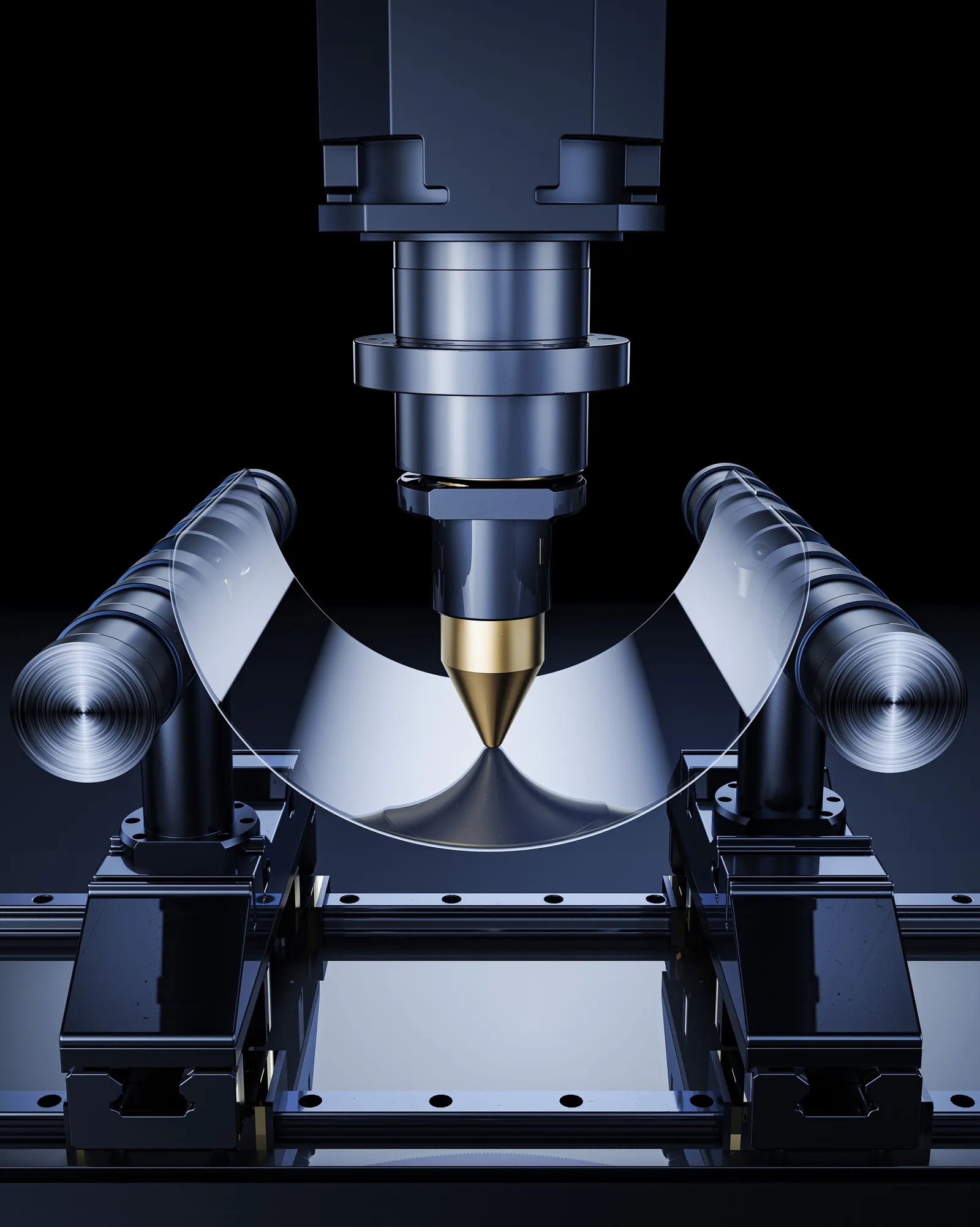
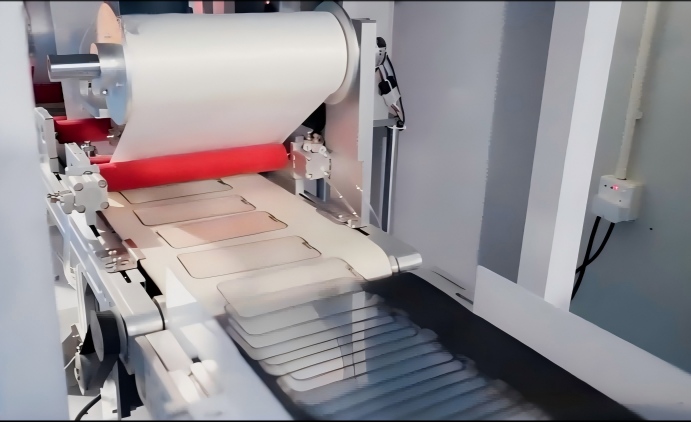
WEKIM’s state-of-the-art manufacturing facilities span over 7,000 square meters and are equipped with over 70 automated tools. We produce 4.5 million screen protectors per month, enabling us to meet large-scale orders without sacrificing quality.
Each batch undergoes rigorous testing, including hardness checks (≥6H), drop tests (1.2m), and curvature retention assessments before shipment. Our advanced bonding techniques ensure bubble-free adhesion, even on devices with curved edges, such as the iPhone 15 Pro Max or Samsung S24 Ultra.
Installation and Maintenance Tips
Using a Glass Applicator Frame
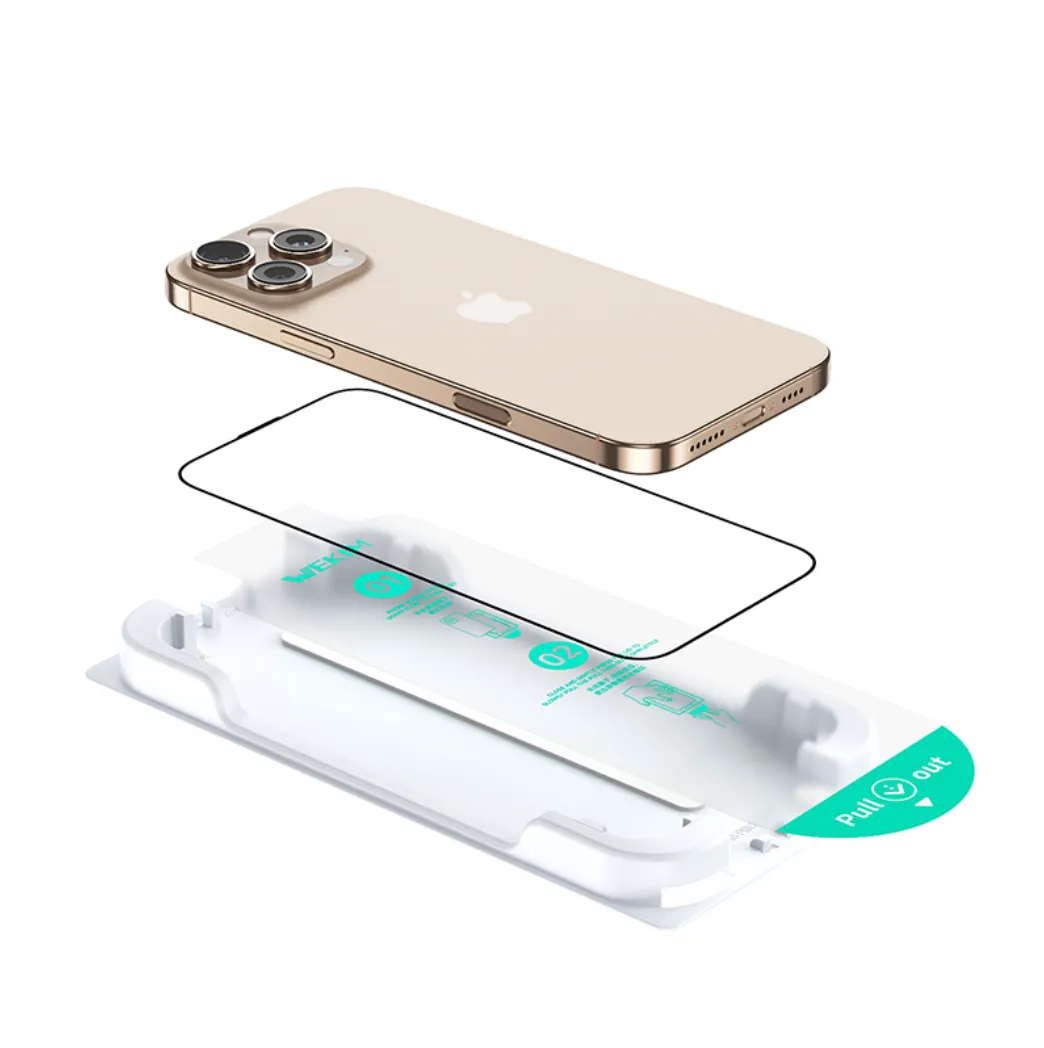
Precise installation is crucial for ensuring the longevity of the protector. A small misalignment can cause edge lifting or dirt buildup under the shield. To assist with this, WEKIM provides applicator frames in many of our products, such as the Wekim—EASY BOX SUPER STRONG GLASS, which includes an applicator for easy, perfect alignment. This feature is especially useful for shops or businesses performing multiple installations.
Maintaining a Dust-Free Environment
Even tiny dust particles can cause bubbles and reduce bond strength. To prevent this, WEKIM has developed dust-free installation kits, like the Dust-Free Box. These kits provide a controlled environment for application, ensuring a clean bond that lasts through humid conditions without peeling.
To preserve the quality of the protector over time:
- Regularly clean your device with microfiber wipes.
- Avoid using harsh alcohol solutions that could damage the oleophobic coating.
- Replace the screen protector if deep scratches develop to maintain optimal clarity and touch sensitivity.
Conclusion
Ready to Upgrade Your Screen Protection Line?
Hybrid technology is more than just a trend—it’s quickly becoming the industry standard for premium smartphone protection. At WEKIM, we specialize in OEM/ODM hybrid screen protectors designed for:
- Curved and flat displays
- 9H surface hardness with flexible composite backing
- Dust-free installation systems
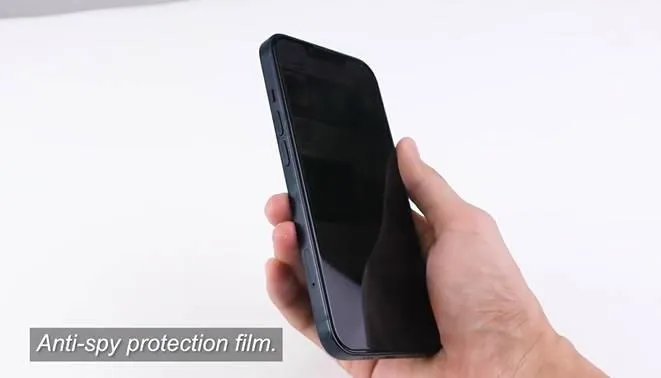
- Anti-blue light and privacy options
- Custom packaging for global retail markets
With a monthly production capacity of 4.5 million units and rigorous quality testing (≥9H hardness, 1.2m drop tests), we help brands, distributors, and retailers deliver next-generation screen protection solutions.
Interested in developing your own hybrid screen protector line? Contact WEKIM today to request samples, discuss customization options, or explore bulk manufacturing partnerships. Let’s work together to build stronger, smarter protection.
FAQ
Q: What is a hybrid screen protector?
A: A hybrid screen protector combines the hardness of glass with the flexibility of plastic materials like PET or PMMA to deliver superior durability while maintaining excellent touch sensitivity.
Q: Is tempered glass flexible?
A: Traditional tempered glass is rigid and cannot flex. However, modern hybrid protectors incorporate flexible substrates that allow slight bending without cracking.
Q: How does WEKIM customize products for different markets?
A: Through our OEM/ODM program, we adjust material thicknesses (0.15–0.5mm), coatings (anti-blue light or privacy), and packaging styles to suit regional preferences across Europe, North America, Southeast Asia, and beyond.
Q: Why is a dust-free box important?
A: A dust-free box ensures a clean installation environment, preventing air bubbles and ensuring a perfect bond between the protector and the device screen.